
Lime spreading
Apply the selected lime product at the rate specified for the soil and treatment depth.
Practical help for construction sites across the UK
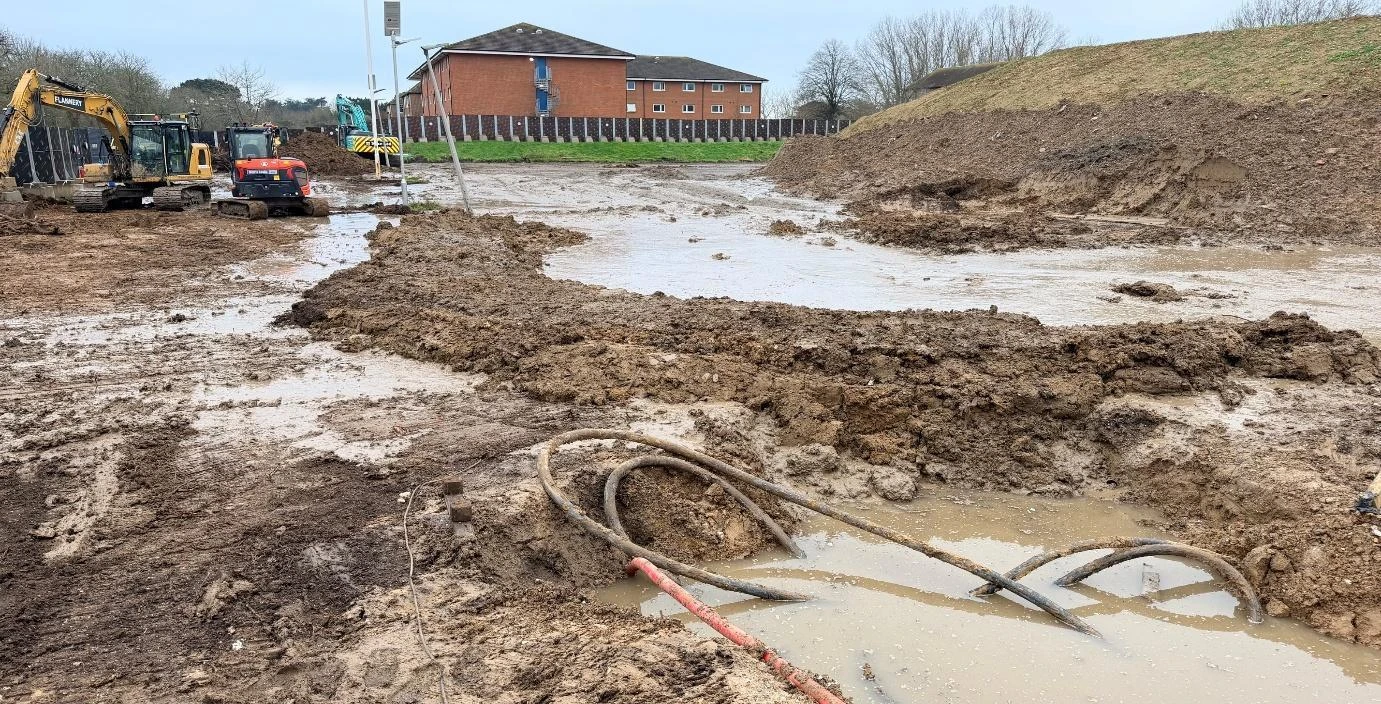
Wet ground. Difficult working conditions. Time lost on site. Start with the problem and find out how Furlong GS can help.
Your problem
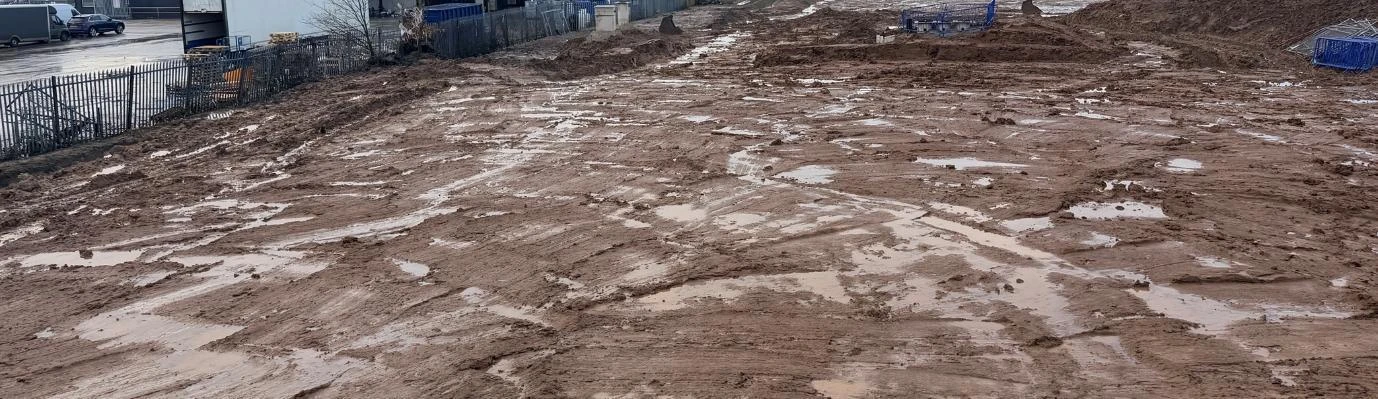
Heavy rainfall can leave your site covered in wet muck and slop. Working conditions deteriorate, the programme slips and costs rise. With more rain possible, simply waiting may not be a practical option.
Scraping up wet material, stockpiling it or carting it away can be expensive and disruptive. Before committing to removal and replacement, find out whether the soil can be treated on site.
The solution
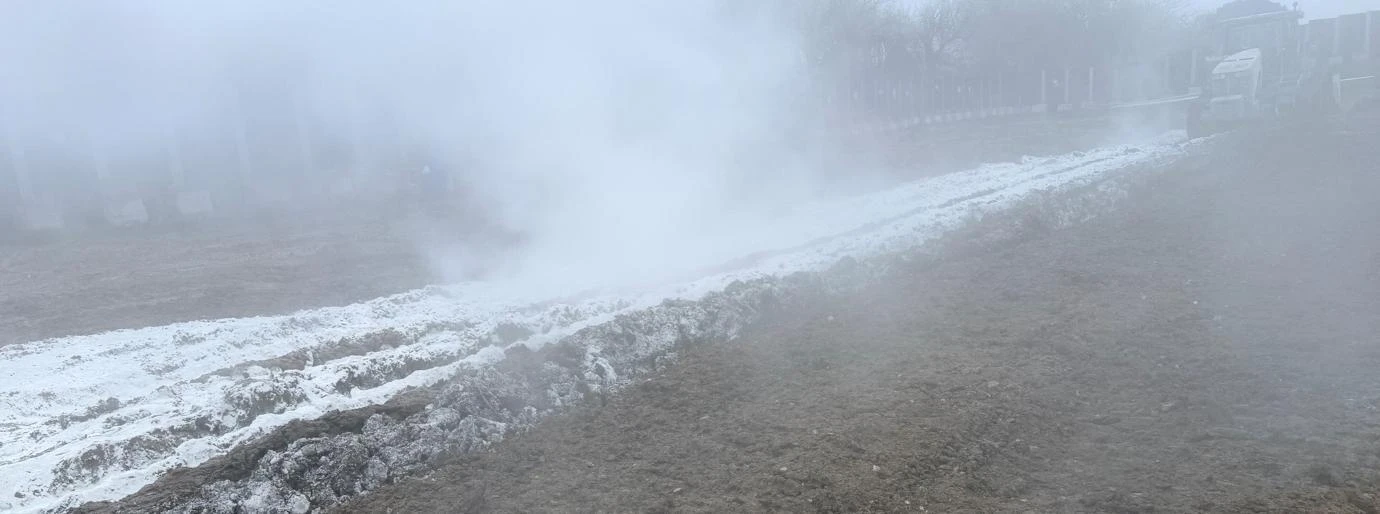
Lime treatment can improve the workability of suitable wet clay and silt soils, helping them to be compacted into a firm working platform. It can provide an alternative to excavating and removing wet material.
Quicklime and hydrated lime are options for wet-soil treatment. The choice of product, treatment rate and method needs to suit the soil, its moisture condition and the intended use of the treated layer.
Start with a site assessment. Where standing water or continuing water ingress is present, water management also needs to be considered; soil treatment should not be assumed to solve every cause of a waterlogged site.
How We Assess and Test Your GroundFrom wet soil to a working platform
Following assessment and selection of an appropriate treatment, work on site involves three main operations.
Apply the selected lime product at the rate specified for the soil and treatment depth.
Mix the lime into the soil to treat the material through the required layer.
Compact the treated material to form the working layer required for the project.
Where treatment is suitable, improving the soil in place can reduce the need to scrape up, stockpile or remove wet material.
A firmer working layer can help contractors progress site preparation and construction activities. The achievable programme depends on the conditions and scope of treatment.
Treatment can also take place after initial grading: mixing lime into suitable soil and compacting it to create a working platform before wet conditions disrupt the project.
Explore Ground StabilisationBefore you decide
Furlong GS can assess whether lime drying or another ground treatment is suitable. Send the site location, photographs and any available ground investigation information so the team can understand the conditions.
Not necessarily. Lime treatment can be an alternative to scraping up and removing suitable wet clay and silt soils. Suitability needs to be established for the material on your site.
Lime drying can be a lower-cost alternative to other ways of handling wet ground. A project quotation depends on the area or volume, treatment depth, soil condition, access, mobilisation and testing requirements.
The aim is to improve working conditions and reduce wet-weather delays. Furlong GS will need to review your site and programme before advising on timing.
Applications include construction sites, floor foundation areas and haul roads. Treatment and verification must reflect the intended use and the requirements for the particular layer.
Tell us what is happening on site
Share your site location, photos, approximate area and programme with Furlong GS. Include any ground investigation or testing information you already have.